.png)
By Evie Arnold - Gallup Certified Global Coach, ICF ACC, Positive Intelligence Coach
Being nice to your team is not the same as being kind to them and the difference is quietly damaging their growth. True kindness means being kind to someone's potential, not their comfort.
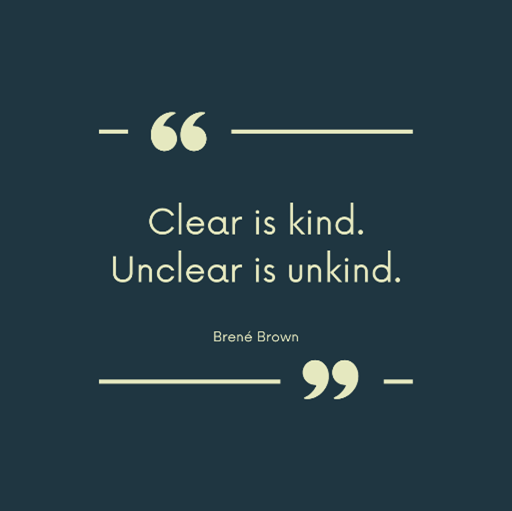
Most managers don’t set out to hold their teams back. In fact, the opposite is usually true. They care deeply about their people. They want to be supportive. They want to create a positive environment where everyone feels valued. This is the real tension I want to explore; as leadership sometimes asks us to move beyond being liked. It asks us to serve something bigger: the development and potential of the people we lead.
- This means having conversations that are clear rather than vague
- Forward-looking rather than backward-focused
- Grounding in someone’s strengths rather than centring on their shortcomings
Instead of analysing the past, the conversations become about building the future. Feedforward shifts the energy of the discussion from correction to development. This is where you, as their manager, can begin to practise genuine kindness - no longer simply evaluating performance – but by investing in their potential. The result:
- Productive challenge
- People grow faster
- Confidence increases
- Teams start performing at a different level
A Practical Starting Point
As a manager you will find these conversations become far easier when you have a shared language for what people naturally do best. Tools like CliftonStrengths® provide that language and development becomes more intentional.
Instead of focusing on what needs fixing, managers and team members can explore how someone’s natural talents can be applied more effectively, stretched further, and combined with others to create stronger results.
The key question: How can this person use what they do best more effectively?
A team member with strong Analytical® talent might deliver brilliant insights but struggle to communicate them simply.
A strengths-based conversation doesn’t say:
"You overcomplicate things."
Instead, it reframes the challenge:
"Your Analytical thinking is incredibly valuable. Let’s look at how you can translate that insight so others grasp the message quickly."
The conversation remains honest and it’s anchored in capability rather than criticism.
This makes it far easier for managers to be both clear and kind at the same time. It turns performance conversations into development conversations and development conversations are where real leadership impact happens.
The next time you’re preparing for a conversation with someone on your team, it may be worth asking yourself one simple question:
Am I protecting their comfort…or supporting their growth?
The real measure of kindness in leadership isn’t how comfortable people feel in the moment. It’s how much they grow over time.
If you’re interested in introducing strengths-based development into your leadership approach, you can explore CliftonStrengths® assessments and coaching available, designed to help managers understand their own talents and support the growth of their teams.
The most powerful leadership conversations don’t focus on what’s wrong with people ~ they focus on what’s possible for them.