.png)
 You can usually tell within the first ten minutes whether a negotiation workshop is going to be useful or just noisy.
Someone leans back, folds their arms, and says the line they believe is wisdom: “Look, it’s simple. They’ve got the advantage. If you don’t get tough, you lose.” A couple of people nod. Someone else smirks like they’ve heard it all before. And the facilitator can feel the room quietly agreeing to a false choice: be hard or be had.
Here’s the awkward truth: most workplace negotiation isn’t about price. It’s about priorities, resources, trade-offs, status, and risk. Which means negotiation style shows up everywhere: project meetings, stakeholder reviews, leadership offsites. It’s how decisions get made when interests collide — not just what happens when procurement sends you a spreadsheet.
You can usually tell within the first ten minutes whether a negotiation workshop is going to be useful or just noisy.
Someone leans back, folds their arms, and says the line they believe is wisdom: “Look, it’s simple. They’ve got the advantage. If you don’t get tough, you lose.” A couple of people nod. Someone else smirks like they’ve heard it all before. And the facilitator can feel the room quietly agreeing to a false choice: be hard or be had.
Here’s the awkward truth: most workplace negotiation isn’t about price. It’s about priorities, resources, trade-offs, status, and risk. Which means negotiation style shows up everywhere: project meetings, stakeholder reviews, leadership offsites. It’s how decisions get made when interests collide — not just what happens when procurement sends you a spreadsheet.
You can usually tell within the first ten minutes whether a negotiation workshop is going to be useful or just noisy.
Someone leans back, folds their arms, and says the line they believe is wisdom: “Look, it’s simple. They’ve got the advantage. If you don’t get tough, you lose.” A couple of people nod. Someone else smirks like they’ve heard it all before. And the facilitator can feel the room quietly agreeing to a false choice: be hard or be had.
Here’s the awkward truth: most workplace negotiation isn’t about price. It’s about priorities, resources, trade-offs, status, and risk. Which means negotiation style shows up everywhere: project meetings, stakeholder reviews, leadership offsites. It’s how decisions get made when interests collide — not just what happens when procurement sends you a spreadsheet.
You can usually tell within the first ten minutes whether a negotiation workshop is going to be useful or just noisy.
Someone leans back, folds their arms, and says the line they believe is wisdom: “Look, it’s simple. They’ve got the advantage. If you don’t get tough, you lose.” A couple of people nod. Someone else smirks like they’ve heard it all before. And the facilitator can feel the room quietly agreeing to a false choice: be hard or be had.
Here’s the awkward truth: most workplace negotiation isn’t about price. It’s about priorities, resources, trade-offs, status, and risk. Which means negotiation style shows up everywhere: project meetings, stakeholder reviews, leadership offsites. It’s how decisions get made when interests collide — not just what happens when procurement sends you a spreadsheet.
When a Managers or a Client says, “Communication is poor,” I try not to nod too enthusiastically.
Not because it isn’t true. More because it’s usually the organisational equivalent of saying, “The car won’t start.” Helpful as a headline. Useless as a diagnosis.
Nine times out of ten, “communication is poor” is a polite way of saying something sharper:
→ We didn’t have clarity on the goal.
→ We didn’t make a clear decision.
→ We didn’t name ownership.
→ We didn’t identify the specific risks.
→ We didn’t confirm and align around one message.
→ And now we’re surprised that the delivery looks like a game of Chinese whispers played by tired adults.
There’s a particular kind of team that makes facilitators relax too early.
They turn up on time. They smile. They listen politely. They say things like, “That’s a great point,” and “I can see both sides.” They thank you at the end. They might even clap (which is always unsettling in a meeting room).
And then nothing changes.
Not because they’re stupid. Not because they don’t care. It is often because they’re nice in the way that British weather is “fine”: technically acceptable, quietly limiting, and absolutely not what you asked for.
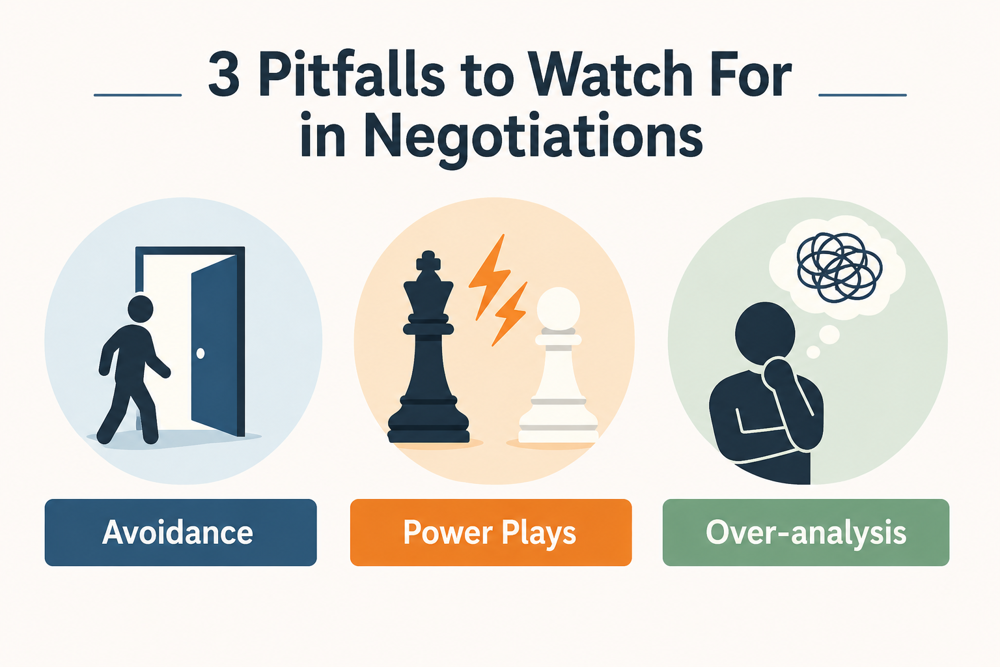
That’s the Nice Trap. Politeness becomes avoidance, and avoidance becomes culture.
One of your managers or clients emails or calls you “We need some training on …”. Insert one of the most common topics, like ‘communication’.
It’s rarely well targeted. It’s just the default setting: something’s not working in the team, so we book a training course. Like buying a new sat nav because the driver keeps ignoring the signs.
And here’s the frustrating bit for us in L&D: you know that you can run a brilliant session and still get no change in behaviour. Not because people didn’t enjoy it, or because the facilitator wasn’t good. Usually because we started with content instead of clarity.
If you work in L&D or HR, you’ll recognise the pattern. Someone senior says, “We need the teams collaborating better.” Someone else says, “Let’s do something engaging.” A calendar invite appears. People turn up politely. Everyone has a decent time.
Then Monday arrives and the organisation resumes its favourite hobby: behaving exactly as it did before.
That’s why the new wave of online simulations is worth paying attention to. Done well, they don’t just entertain. They create a safe, controlled environment where teams can see the impact of their decisions, communication habits, and assumptions in real time - and then do the one thing most training forgets: stop and reflect.