.png)
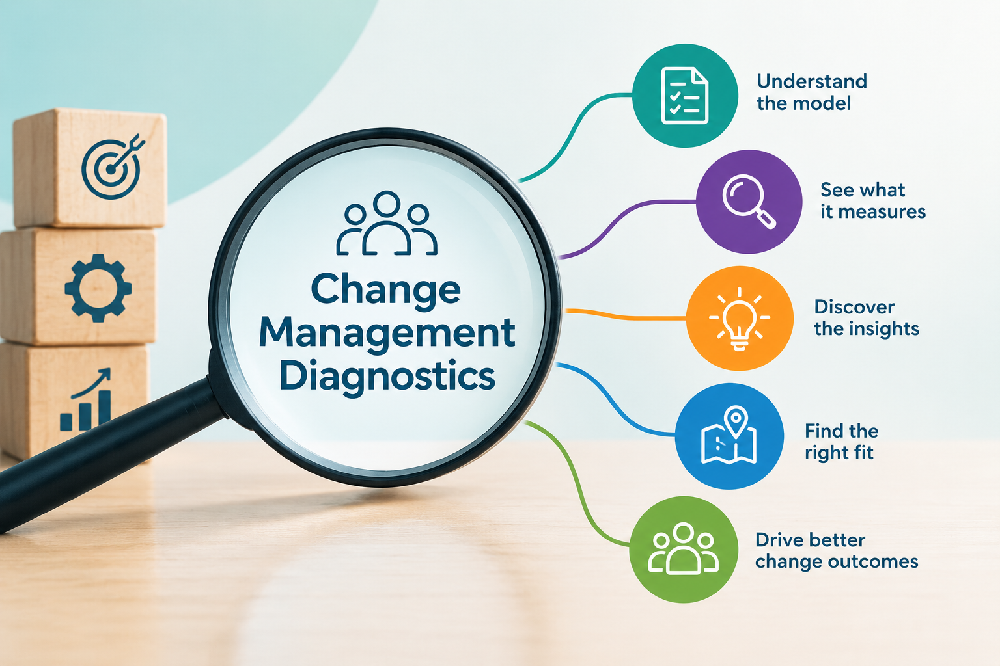 If you work in L&D, you’ll know the problem: “change management” can mean anything from personal anxiety to stakeholder politics to leaders who can’t translate vision into action.
MLR’s change tools aren’t duplicates. They sit in different parts of the change system. The trick is to match the tool to the real constraint.
In this two-part blog, Part A compares the theories/models, the results each tool produces, and their strengths/limitations. Part B will give you a practical “when to use what” guide.
If you work in L&D, you’ll know the problem: “change management” can mean anything from personal anxiety to stakeholder politics to leaders who can’t translate vision into action.
MLR’s change tools aren’t duplicates. They sit in different parts of the change system. The trick is to match the tool to the real constraint.
In this two-part blog, Part A compares the theories/models, the results each tool produces, and their strengths/limitations. Part B will give you a practical “when to use what” guide.
If you work in L&D, you’ll know the problem: “change management” can mean anything from personal anxiety to stakeholder politics to leaders who can’t translate vision into action.
MLR’s change tools aren’t duplicates. They sit in different parts of the change system. The trick is to match the tool to the real constraint.
In this two-part blog, Part A compares the theories/models, the results each tool produces, and their strengths/limitations. Part B will give you a practical “when to use what” guide.
If you work in L&D, you’ll know the problem: “change management” can mean anything from personal anxiety to stakeholder politics to leaders who can’t translate vision into action.
MLR’s change tools aren’t duplicates. They sit in different parts of the change system. The trick is to match the tool to the real constraint.
In this two-part blog, Part A compares the theories/models, the results each tool produces, and their strengths/limitations. Part B will give you a practical “when to use what” guide.
 What happens when you give a group of people a challenging task, limited resources and a tight deadline?
You get a fascinating insight into how they really work together.
That is the thinking behind the Mars Rover Challenge - an experiential learning simulation that puts leadership and teamwork under the spotlight.
What happens when you give a group of people a challenging task, limited resources and a tight deadline?
You get a fascinating insight into how they really work together.
That is the thinking behind the Mars Rover Challenge - an experiential learning simulation that puts leadership and teamwork under the spotlight.
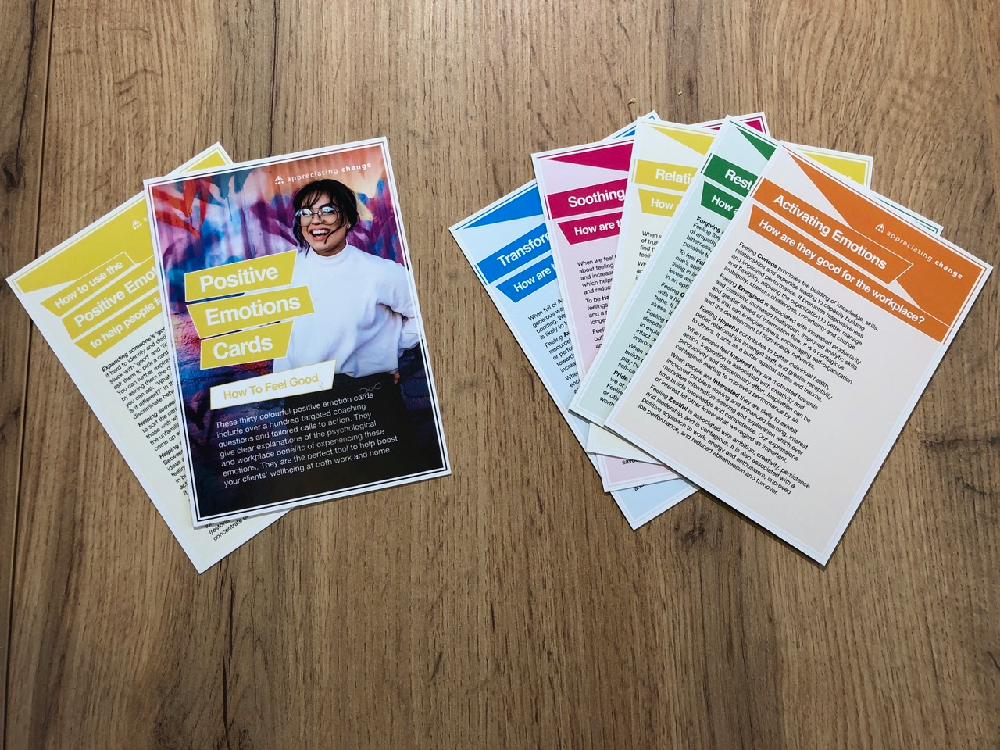 Who is Boosting Happiness at Work for?
This exercise is designed to help people at work to identify and focus on the opportunities at work to experience positive emotions. It will be useful for wellbeing consultants and other workshop leaders, as well as team leaders and managers. It can be particularly useful in difficult and challenging workplaces where opportunities to notice, experience and savour moments of happiness or good feeling can be overlooked.
Who is Boosting Happiness at Work for?
This exercise is designed to help people at work to identify and focus on the opportunities at work to experience positive emotions. It will be useful for wellbeing consultants and other workshop leaders, as well as team leaders and managers. It can be particularly useful in difficult and challenging workplaces where opportunities to notice, experience and savour moments of happiness or good feeling can be overlooked.
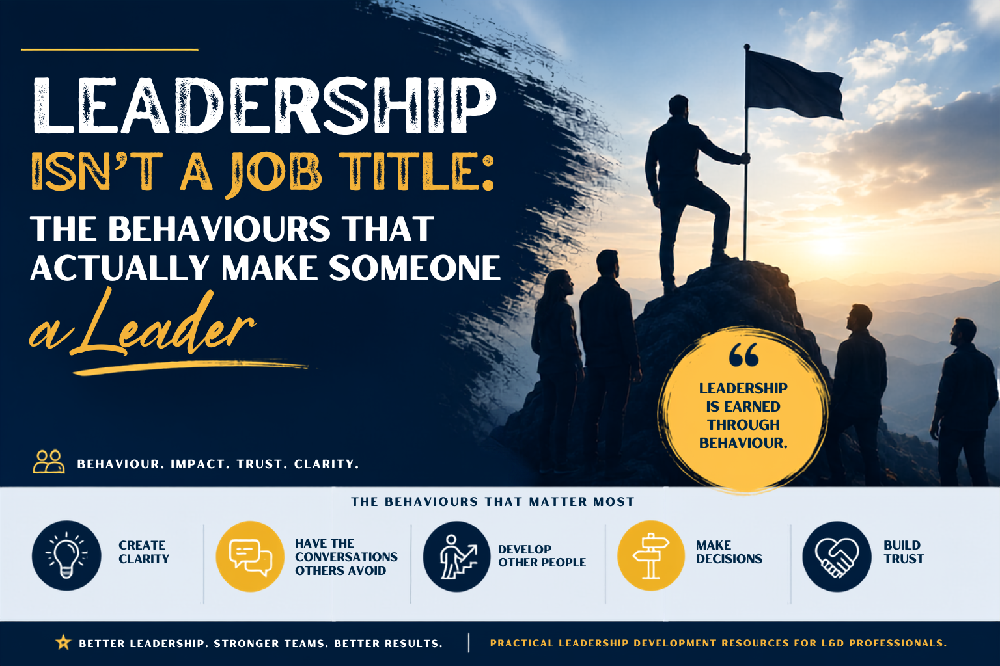 There’s a moment in almost every organisation when someone gets promoted into management and everyone quietly assumes they are now a leader.
New title.
New responsibilities.
Maybe a bigger salary.
Perhaps even an office with a door.
There’s a moment in almost every organisation when someone gets promoted into management and everyone quietly assumes they are now a leader.
New title.
New responsibilities.
Maybe a bigger salary.
Perhaps even an office with a door.
 You can feel it in the room before anyone says it.
The agenda is sensible. The people are senior. The business problem is real. And yet the conversation has the energy of a damp Monday.
Someone offers a careful, polished sentence. Another person nods. Nobody disagrees. Nobody commits. Then, after the meeting, the real conversation happens in the corridor, on Teams, or in the car park.
You can feel it in the room before anyone says it.
The agenda is sensible. The people are senior. The business problem is real. And yet the conversation has the energy of a damp Monday.
Someone offers a careful, polished sentence. Another person nods. Nobody disagrees. Nobody commits. Then, after the meeting, the real conversation happens in the corridor, on Teams, or in the car park.
 If you facilitate leadership sessions long enough, you start spotting ambiguity the way an ops manager spots a loose bearing: you can’t always see it at first, but you can hear the grind.
It usually arrives dressed as something polite.
• “We just need to align.”
• “We’re not clear on priorities.”
• “We need better communication.”
And then, five minutes later, someone says the quiet bit out loud:
“We’ve had this conversation three times already.”
If you facilitate leadership sessions long enough, you start spotting ambiguity the way an ops manager spots a loose bearing: you can’t always see it at first, but you can hear the grind.
It usually arrives dressed as something polite.
• “We just need to align.”
• “We’re not clear on priorities.”
• “We need better communication.”
And then, five minutes later, someone says the quiet bit out loud:
“We’ve had this conversation three times already.”
 Imagine....You’re in a glass-walled meeting room that was meant to be “a quick catch-up”.
The M.D. (Mark) is sat forward, elbows on the table, doing that half-smile that says I’m listening while their foot taps under the chair.
The People Director (Helen) has a notebook open, pen poised, and the expression of someone who has said the same thing three different ways already.
Obvious? We’re flat out. Order book’s decent. The factory’s running. Customers are shouting. We don’t need a philosophy lecture - we need output.
Imagine....You’re in a glass-walled meeting room that was meant to be “a quick catch-up”.
The M.D. (Mark) is sat forward, elbows on the table, doing that half-smile that says I’m listening while their foot taps under the chair.
The People Director (Helen) has a notebook open, pen poised, and the expression of someone who has said the same thing three different ways already.
Obvious? We’re flat out. Order book’s decent. The factory’s running. Customers are shouting. We don’t need a philosophy lecture - we need output.
 Do you genuinely believe you deserve success?
It's a simple question, but one many people struggle to answer honestly. Most people don't consciously think, I'm not worthy of success. Instead, low self-worth shows up in more subtle ways.
They hesitate when opportunities appear.
They downplay their accomplishments.
They compare themselves to others.
They question whether they're ready, qualified, capable, or deserving.
Sometimes the greatest obstacle standing between people and their potential isn't a lack of ability...It's what they believe about themselves.
Do you genuinely believe you deserve success?
It's a simple question, but one many people struggle to answer honestly. Most people don't consciously think, I'm not worthy of success. Instead, low self-worth shows up in more subtle ways.
They hesitate when opportunities appear.
They downplay their accomplishments.
They compare themselves to others.
They question whether they're ready, qualified, capable, or deserving.
Sometimes the greatest obstacle standing between people and their potential isn't a lack of ability...It's what they believe about themselves.
 There's a moment most managers recognise, even if they've never named it.
You're in a team meeting. You've just shared a plan, or asked for input, or posed a genuinely open question. And the room goes quiet. Not the productive kind of quiet - the careful kind. The kind where people are weighing up whether it's safe to say what they're actually thinking.
You might fill the silence yourself. Or someone offers a vague "sounds good." And the meeting moves on.
But something important didn't happen. And somewhere, you felt it.
That silence has a name. It's the absence of psychological safety - and it's one of the most significant, and most overlooked, barriers to high-performing teams.
There's a moment most managers recognise, even if they've never named it.
You're in a team meeting. You've just shared a plan, or asked for input, or posed a genuinely open question. And the room goes quiet. Not the productive kind of quiet - the careful kind. The kind where people are weighing up whether it's safe to say what they're actually thinking.
You might fill the silence yourself. Or someone offers a vague "sounds good." And the meeting moves on.
But something important didn't happen. And somewhere, you felt it.
That silence has a name. It's the absence of psychological safety - and it's one of the most significant, and most overlooked, barriers to high-performing teams.
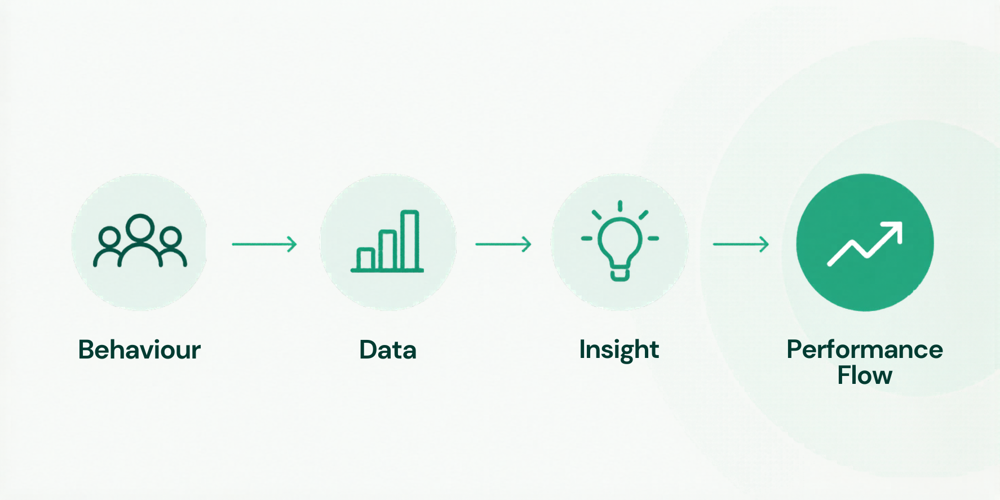 Why facilitation is the missing link in Transformation - and what to do about it!
As I continue to scale Teamvine, I’ve been immersed in conversations with dozens of global and multinational organisations - from energy giants and pharmaceutical leaders to financial institutions, construction, Manufacturing and Engineering companies, not to forget several public sector bodies.
Why facilitation is the missing link in Transformation - and what to do about it!
As I continue to scale Teamvine, I’ve been immersed in conversations with dozens of global and multinational organisations - from energy giants and pharmaceutical leaders to financial institutions, construction, Manufacturing and Engineering companies, not to forget several public sector bodies.