.png)
By Bob Hayward, Managing Director, Be More Effective Ltd and MLR
Defining culture isn’t just a “nice-to-have” for businesses - it’s the invisible hand that shapes every decision, relationship, and outcome, whether you’re a fast-moving start-up or a global corporate giant.
Culture determines how your people behave under pressure, how innovation happens, and how your brand is experienced by clients and candidates alike. In my experience, the most resilient and successful organisations are those that invest early and intentionally in shaping their culture, rather than leaving it to chance.
Why these four books?
Because each provides a unique, practical lens for understanding and building culture. Mark Miller’s “Culture Rules” distils the essentials for leaders; Daniel Coyle’s “The Culture Code” reveals the science behind high-performing groups; Erin Meyer’s “The Culture Map” is indispensable for navigating cross-cultural dynamics; and John Childress’ “Culture Rules!” translates values into daily action. Taken together, they offer a comprehensive, actionable blueprint for any UK start-up or SME serious about using culture as a strategic advantage.
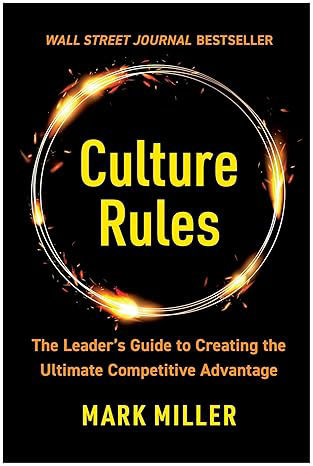
Book 1: “Culture Rules” by Mark Miller: The Three Rules for Culture Builders
Key Principles:
- Aspire: Clearly articulate what you want your culture to be. Make your values explicit, actionable, and memorable.
- Amplify: Model and reinforce the desired culture through stories, rituals, and recognition. Leaders must be culture champions.
- Adapt: Continuously assess and refine culture as your business evolves.
Mini Case Study:
A UK fintech start-up used Miller’s framework to define “Client Obsession” as a core value. By celebrating client-centric wins every week and sharing customer feedback stories in team meetings, they increased NPS by 30% in 12 months.
Reference: Culture Rules – Mark Miller
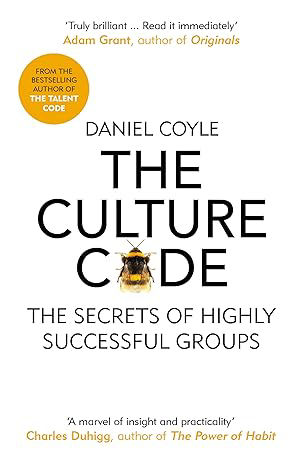
Book 2. “The Culture Code” by Daniel Coyle: Unlocking High-Performance Teams
Key Principles:
- Build Safety: Create an environment where everyone feels safe to speak up, make mistakes, and ask for help.
- Share Vulnerability: Leaders who show vulnerability foster trust and learning.
- Establish Purpose: Use stories, symbols, and shared language to reinforce what matters most.
Mini Case Study:
A London-based SaaS SME introduced regular “failure forums” where teams shared what went wrong and what they learned. This openness led to a 40% increase in cross-team collaboration and faster innovation cycles.
Reference: The Culture Code – Daniel Coyle
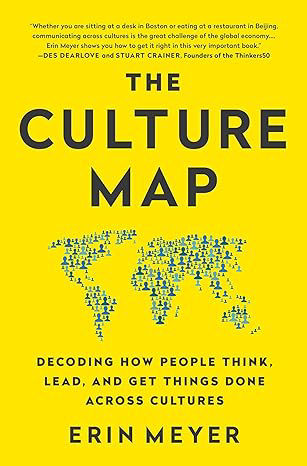
Book 3. “The Culture Map” by Erin Meyer: Navigating Cultural Differences
Key Principles:
- Decode Cultural Differences: Understand how communication, feedback, leadership, and trust differ across cultures.
- Adapt Communication: Tailor your approach for multicultural or remote teams.
- Leverage Diversity: Use cultural differences as a source of innovation, not friction.
Mini Case Study:
A UK SME expanding into Europe used Meyer’s eight-dimension model to adapt its feedback style for French and German teams. By holding workshops on direct vs. indirect feedback, they reduced misunderstandings and improved project delivery.
Reference: The Culture Map – Erin Meyer
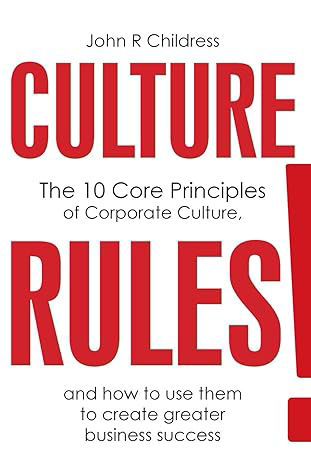
Book 4. “Culture Rules!” by John Childress: The Ten Core Principles
Key Principles:
- Make Culture Tangible: Translate values into observable behaviours and daily decisions.
- Lead by Example: Leaders must model the culture, not just talk about it.
- Measure What Matters: Use data and feedback to track culture health and address issues early.
Mini Case Study:
A Midlands engineering SME implemented Childress’s “culture dashboard” to monitor engagement, alignment, and behaviour. When scores dropped in one department, they intervened quickly - preventing a costly talent exodus.
Reference: Culture Rules! The 10 Core Principles of Corporate Culture – John Childress
Blending the Approaches: A Roadmap for UK Start-ups & SMEs
- Start with Aspiration (Miller): Gather your founding team to define the values and behaviours you want to see. Make them visible and actionable.
- Build Safety and Vulnerability (Coyle): Create rituals and forums where it’s safe to learn, fail, and grow together. Leaders must go first.
- Decode and Adapt for Diversity (Meyer): Map out your team’s cultural backgrounds and working styles. Offer training and adapt your communication.
- Measure and Iterate (Childress): Track culture health with regular feedback and simple metrics. Address misalignment early.
Why This Matters
- Faster scaling: Clear culture accelerates hiring and onboarding.
- Higher retention: People stay where they feel safe, valued, and aligned.
- Innovation: Diverse, psychologically safe teams outperform the competition.
- Resilience: Culture gives you a compass when strategy needs to pivot.
Conclusion
Culture doesn’t happen by accident - it’s built by design. Whether you’re just launching or scaling up, blending the wisdom of Miller, Coyle, Meyer, and Childress gives you a practical, evidence-based roadmap. As Mark Miller puts it, “Culture is the engine, not the enemy, of strategy.”
If you want to run a facilitated session or get practical tools for defining your values and building your culture, let’s talk. The best time to shape your culture is now - before it shapes you.