.png)
 Walk into a good clothes shop and the best person there is not the one who sells you the most expensive suit. It is the one who asks where you are going, what you already own and what you feel comfortable in. Then they bring you two or three things that actually fit. Sometimes they tell you not to buy anything at all.
I run MLR, and I spend my working days helping L&D professionals choose well. I think you deserve that kind of service. So let me explain the line I use: I'm Bob Hayward from MLR. The Personal Shopper to the L&D Professional.
Walk into a good clothes shop and the best person there is not the one who sells you the most expensive suit. It is the one who asks where you are going, what you already own and what you feel comfortable in. Then they bring you two or three things that actually fit. Sometimes they tell you not to buy anything at all.
I run MLR, and I spend my working days helping L&D professionals choose well. I think you deserve that kind of service. So let me explain the line I use: I'm Bob Hayward from MLR. The Personal Shopper to the L&D Professional.
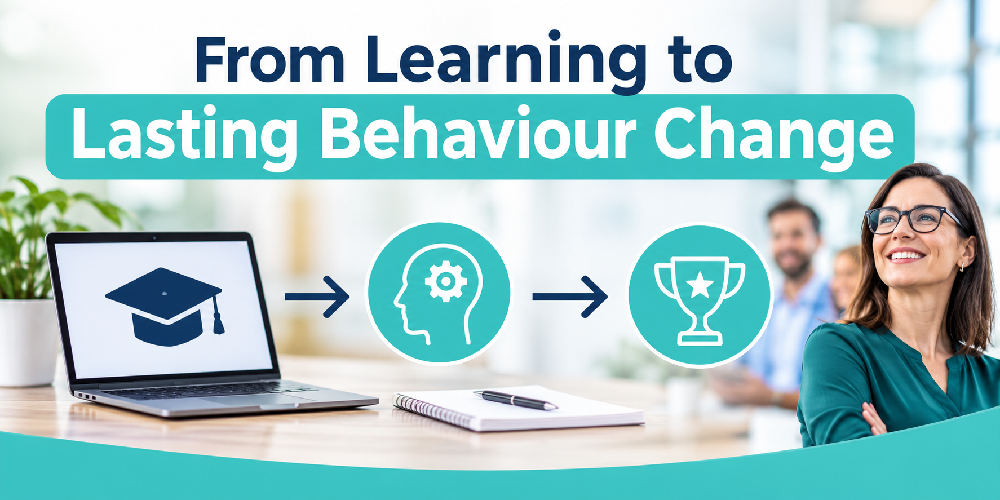 If Part A was the menu, Part B is the meal plan.
The goal isn’t to throw more materials at learners. It’s to create a simple system that makes practice unavoidable and reflection normal.
Why “training materials” often don’t transfer
When people search for training materials for L&D professionals, they’re rarely looking for more slides. They’re looking for materials that change behaviour after the workshop.
Most training fails at the same point: the moment learners return to work. The job is noisy, managers are busy, and old habits are efficient. So the question isn’t “How do we deliver content?” It’s “How do we embed practice?”
 Learning and development has never been more important, or more stretched.
Budgets are tight, attention spans are short, and everyone wants to see the impact. Even the most experienced L&D professionals can fall into a few familiar traps.
The good news? Every one of these mistakes is fixable, and most of them come down to playing to your strengths. Here are the seven we see most often.
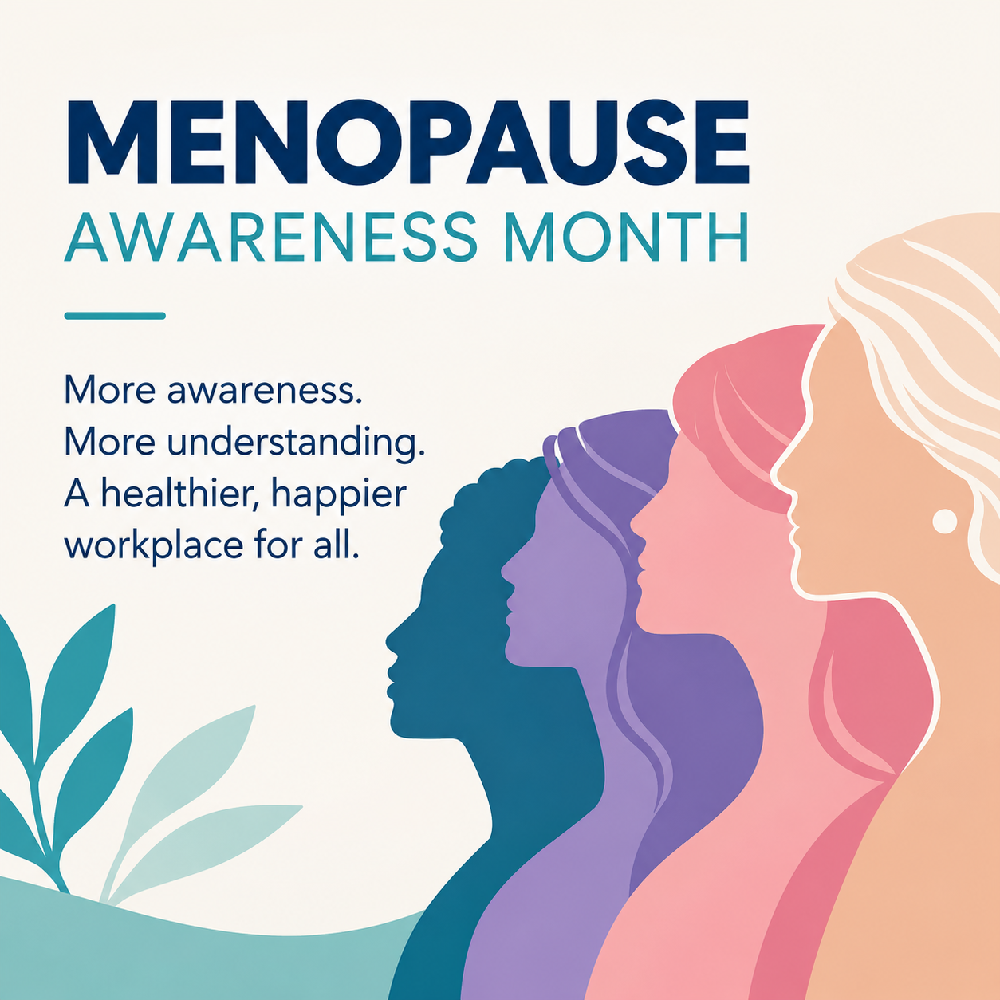 From Awareness to Action: Is Your Workplace Truly Menopause Inclusive?
September's Perimenopause Awareness Month started some important conversations. For many women, the changes begin long before periods stop, yet it can take time to connect the dots. I've spoken to women who thought they were simply exhausted, losing confidence or no longer coping as well as they used to. They didn't realise perimenopause might be part of the picture.
October gives us the chance to build on that understanding. It's Menopause Awareness Month, with World Menopause Day on 18th October and Surgical Menopause Awareness Day on 30th October. I love that these dates get people talking but I also want to ask employers something: when the posters come down and October is over, what will actually be different for your people?
I'm Alison Allen, founder of Sparks HR Consultancy Ltd. I'm a Chartered Fellow of the CIPD, a qualified Menopause Coach and a Workplace Menopause Specialist. I've spent more than 25 years working in HR and Learning & Development, and I still work with employers on the everyday challenges of managing people. That combination is why this matters so much to me. I see what happens when people are supported well, and I see the consequences when they aren't.
 Part A covered the theory each simulation brings to life. Part B is about choosing well.
A useful way to think about these tools is this: each one is a spotlight. It shines on a particular constraint supervisory capability, team fundamentals, operations flow, negotiation across teams, virtual collaboration, or innovation. If you pick the wrong spotlight, you still get learning but it wont land where the business needs it.
L&D teams don’t use simulations because they’re “fun”. They use them because a good simulation does something most workshops struggle to do: it makes invisible dynamics visible, discussable, and repeatable.
This two-part blog compares eight classic simulations and team games, not as “paper vs online”, but as theories-in-action. Each one owns a slightly different learning space. None is “best”; each is best for a specific constraint.
 Part A covered two tools that often get treated as interchangeable (they’re not): DISCStyles (observable interaction behaviour) and the Jungian Personal Style Inventory (preferred ways of perceiving and deciding).
Now let’s add the third tool, then make the differences so clear your reader can choose in two minutes without the “astrology” effect.
If you’re an L&D professional, you’ve probably had this moment - someone asks for “a personality tool” for a team day, a leadership programme, or a coaching cohort. They don’t really mean personality (and they definitely don’t mean a 40‑page psych textbook). They mean - something credible that helps people work better together, quickly, without drama.
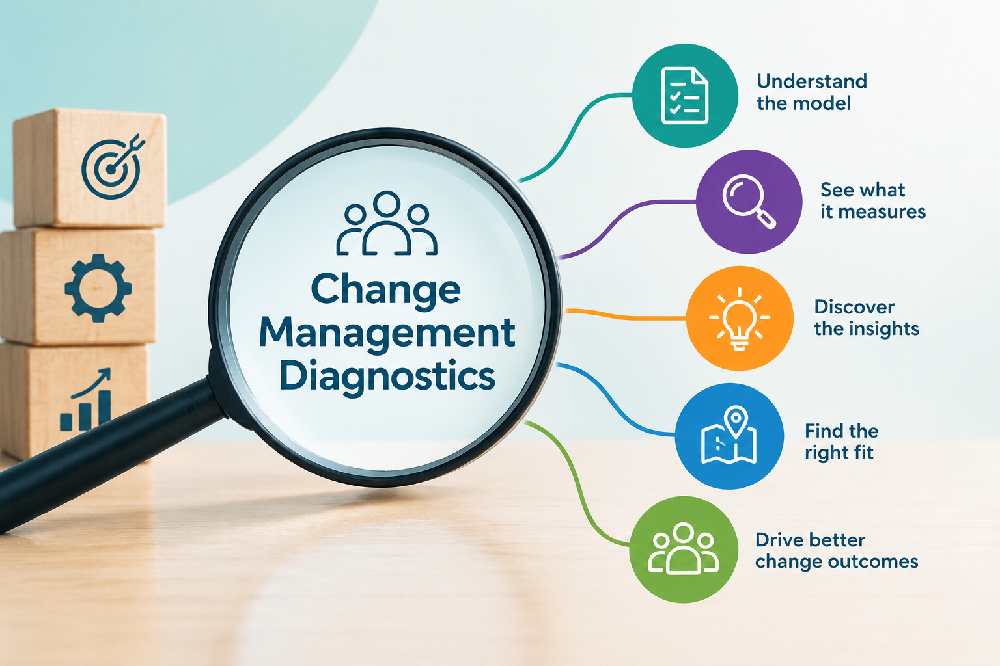 Part A separated the tools by what they measure: leadership capability, change leadership behaviours, transition phase, reaction patterns, change style, and concerns.
Part B turns that into a selection guide. The goal is to stay agnostic and practical: pick the right lens for the problem you're actually facing.