.png)
 If you’re an L&D professional, you’ve probably had this moment - someone asks for “a personality tool” for a team day, a leadership programme, or a coaching cohort. They don’t really mean personality (and they definitely don’t mean a 40‑page psych textbook). They mean - something credible that helps people work better together, quickly, without drama.
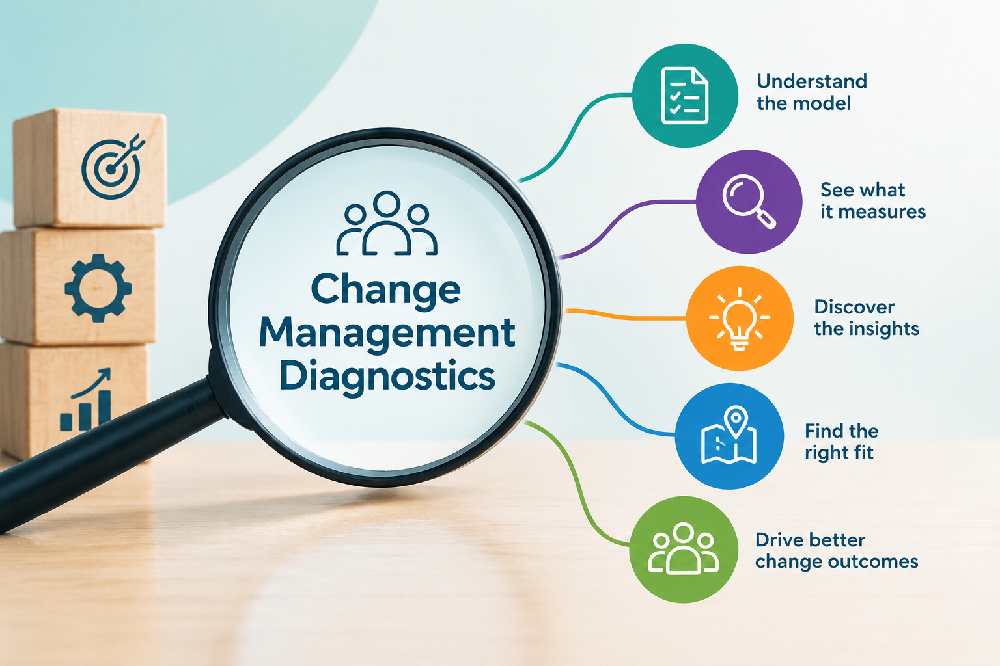 Part A separated the tools by what they measure: leadership capability, change leadership behaviours, transition phase, reaction patterns, change style, and concerns.
Part B turns that into a selection guide. The goal is to stay agnostic and practical: pick the right lens for the problem you're actually facing.
If you work in L&D, you’ll know the problem: “change management” can mean anything from personal anxiety to stakeholder politics to leaders who can’t translate vision into action.
MLR’s change tools aren’t duplicates. They sit in different parts of the change system. The trick is to match the tool to the real constraint.
In this two-part blog, Part A compares the theories/models, the results each tool produces, and their strengths/limitations. Part B will give you a practical “when to use what” guide.
 What happens when you give a group of people a challenging task, limited resources and a tight deadline?
You get a fascinating insight into how they really work together.
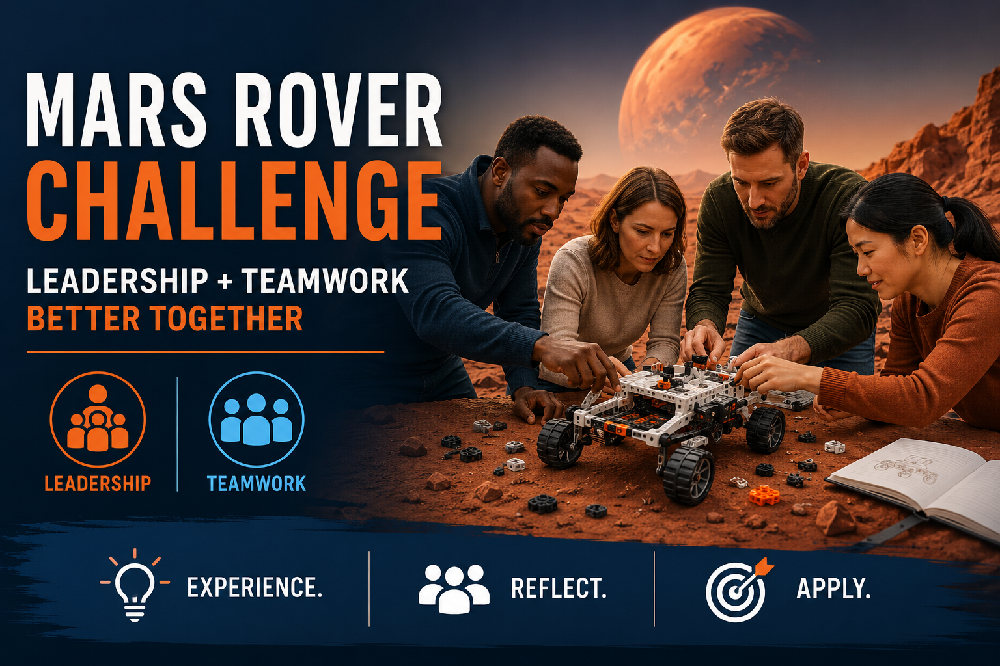
That is the thinking behind the Mars Rover Challenge - an experiential learning simulation that puts leadership and teamwork under the spotlight.